
Hyperpigmentation After Laser: Why Does It Happen and How Can the Risk Be Reduced?
Oct 06, 2026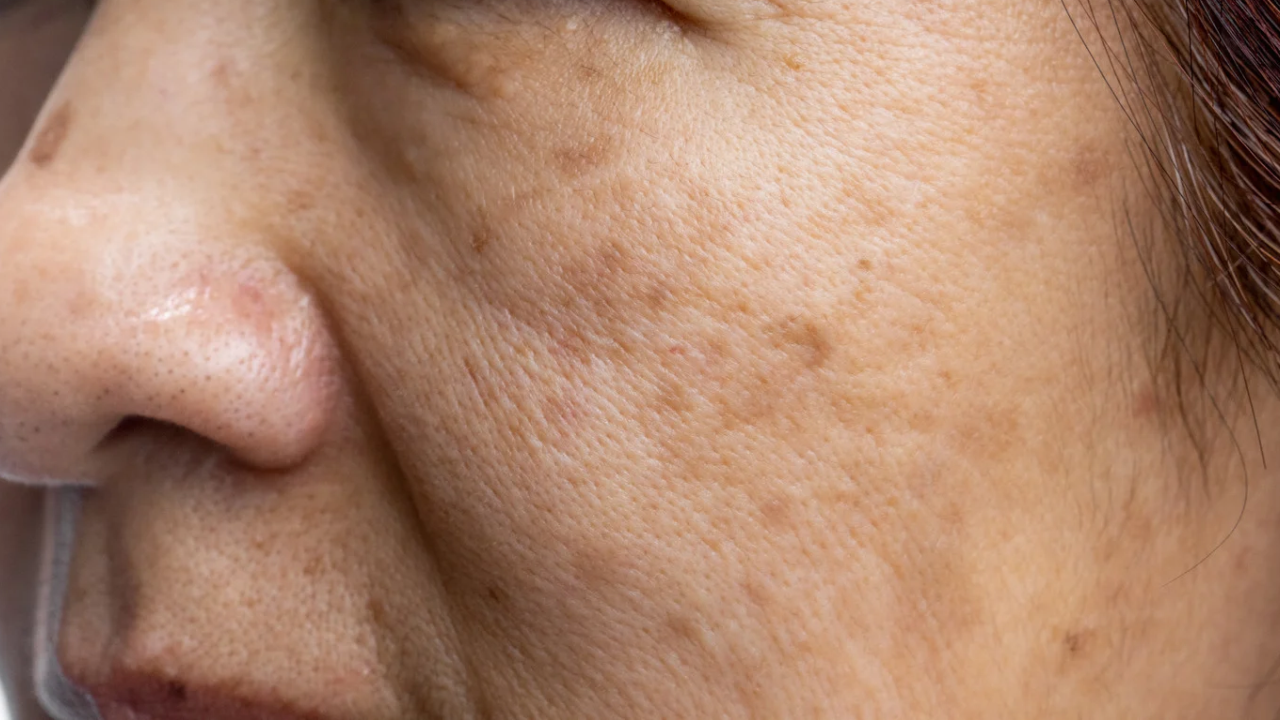
Hyperpigmentation After Laser: Why Does It Happen and How Can the Risk Be Reduced?
After laser treatment, many patients expect the skin to become clearer once the initial redness and peeling have resolved.
In some patients, however, darker areas can appear after treatment. This is known as post-inflammatory hyperpigmentation.
Developing pigmentation does not necessarily mean that the laser “burned the skin.” It means that the skin's response to inflammation resulted in increased melanin production or deposition.
Understanding this process is important both for treatment selection and for reducing risk before a procedure is performed.
What Is Post-Inflammatory Hyperpigmentation?
Post-inflammatory hyperpigmentation is an increase in skin pigmentation that develops after inflammation or injury.
It can occur following acne, dermatitis, wounds and other inflammatory conditions, as well as after procedures such as lasers, chemical peels or microneedling.
The more susceptible the skin is to producing excess pigment in response to inflammation, the more important this risk becomes when planning treatment.
Why Can Pigmentation Develop After Fractional Laser?
Fractional laser creates microscopic treatment zones in the skin to initiate controlled repair and remodeling.
This process naturally produces an inflammatory response.
In susceptible patients, inflammation can stimulate melanogenesis and result in darker pigmentation after treatment.
Read more: What Is Fractional Erbium Laser?
Who Is More Susceptible to Post-Laser Hyperpigmentation?
The risk is particularly relevant in more melanated skin types, although it is not exclusive to them.
A previous history of post-inflammatory hyperpigmentation, sun exposure, treatment intensity, device type, treatment area, excessive inflammation and pre-existing skin conditions may also influence risk.
Risk assessment should therefore be individualized.
Is High Energy Always the Cause?
No, although treatment intensity can be one contributing factor.
Laser effects are not determined by one number alone. Energy, density, treatment depth, number of passes and the characteristics of the device all influence tissue injury and inflammation.
Parameters should therefore be considered as a complete treatment strategy rather than focusing on a single setting.
Can Sun Exposure After Laser Increase Pigmentation?
Yes.
Ultraviolet exposure during the recovery period can contribute to unwanted pigmentation.
Careful photoprotection is therefore an important component of post-treatment care, particularly while the skin is healing.
Can Picking Peeling Skin Cause Pigmentation?
Picking, scratching or prematurely removing crusting or peeling skin can create additional injury and inflammation.
This may increase the risk of pigmentary changes or, in some cases, scarring.
The skin should therefore be allowed to shed naturally.
Read the complete guide: Fractional Laser Aftercare
Can Acids and Retinoids Be Used Immediately After Laser?
The skin barrier generally needs time to recover before potentially irritating active ingredients are reintroduced.
Restarting retinoids, acids or exfoliating products too early can increase irritation.
The appropriate timing depends on treatment depth, healing and the treating physician's instructions.
What Does Post-Laser Hyperpigmentation Look Like?
It may appear as brown patches or areas that are darker than the patient's baseline skin tone.
The pigmentation can become more noticeable after the initial post-treatment redness resolves.
Not every color change following laser is post-inflammatory hyperpigmentation, however, so unusual changes should be clinically assessed rather than self-diagnosed.
Is Post-Laser Hyperpigmentation Permanent?
Not necessarily.
Post-inflammatory pigmentation can gradually improve, but the time required varies according to pigmentation depth, skin type, sun exposure and whether inflammation continues.
Some cases may require additional treatment.
How Is Post-Laser Hyperpigmentation Treated?
Management depends on the diagnosis, severity and condition of the skin following the procedure.
Careful photoprotection and appropriately selected topical treatments may form part of the plan once the skin barrier has adequately recovered.
Attempting to remove pigmentation quickly with multiple aggressive acids or exfoliants can be counterproductive because further inflammation may worsen the problem.
Should Another Laser Session Be Used to Remove It?
Not automatically.
If pigmentation developed as an inflammatory response to a previous procedure, rapidly adding another procedure may worsen the situation.
The cause should first be established and the skin allowed to stabilize before deciding whether another device-based treatment is appropriate.
How Can the Risk Be Reduced Before Treatment?
Risk reduction begins with correct patient selection and diagnosis.
Skin type, previous pigmentation, sun exposure, current skincare and the condition of the skin barrier should be considered.
In selected patients, the physician may also choose a pre-treatment strategy according to the procedure and individual risk factors.
How Can the Risk Be Reduced After Treatment?
Following appropriate aftercare is important.
Photoprotection, gentle skincare, avoiding picking, minimizing unnecessary heat and irritation, and not restarting aggressive active ingredients too early can support an appropriate healing environment.
Can Post-Laser Hyperpigmentation Be Prevented Completely?
No procedure can guarantee that pigmentation will never occur.
Even with appropriate patient selection, treatment parameters and aftercare, biological responses vary between individuals.
Correct assessment, technique and peri-procedural care can, however, help reduce risk.
When Should a Patient Seek Prompt Medical Assessment?
Gradually developing pigmentation is different from signs of a more significant skin injury.
Severe or increasing pain, significant blistering, discharge, unusual crusting, increasing swelling, redness that worsens rather than improves or other signs suggesting infection or deeper injury require medical assessment.
The Bottom Line
Post-laser hyperpigmentation occurs when inflammation triggers increased melanin production in susceptible skin.
Skin type, laser technology, treatment intensity, sun exposure and aftercare can all influence risk.
The objective is not simply to use the weakest possible treatment. It is to choose appropriate technology and parameters for the patient's skin and concern while controlling inflammation and supporting recovery.
Related Articles
Melasma vs Hyperpigmentation: What Is the Difference?
Is Fractional Laser Suitable for Melasma and Pigmentation?
This article is intended for general medical education and does not replace an individual medical consultation or examination.