
Melasma vs Hyperpigmentation: What Is the Difference and Why Does Treatment Differ?
Oct 06, 2026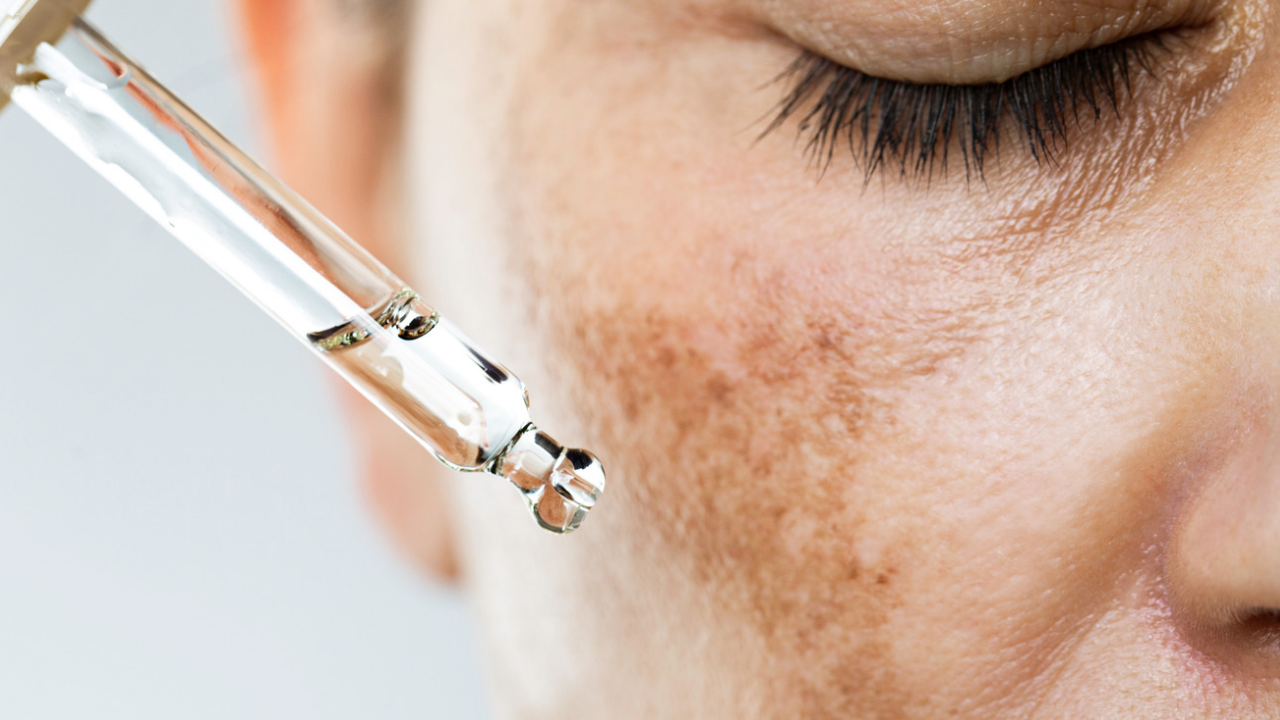
Melasma vs Hyperpigmentation: What Is the Difference and Why Does Treatment Differ?
“Hyperpigmentation” describes areas of skin that appear darker than the surrounding skin, but not every form of hyperpigmentation represents the same condition.
Melasma, post-inflammatory hyperpigmentation and sun-related pigmentation may look similar to a patient, yet they differ in their causes, behavior and response to treatment.
The first step in treating pigmentation is therefore not choosing a laser or cream. It is identifying what type of pigmentation is actually present.
What Is Melasma?
Melasma is an acquired pigmentation disorder that commonly appears as brown or gray-brown patches on the face, often with a relatively symmetrical distribution.
Common locations include the cheeks, forehead, upper lip and chin.
Melasma is complex and is not simply a collection of excess pigment that needs to be removed. Genetic predisposition, ultraviolet radiation, visible light and hormonal influences can all contribute.
This helps explain why melasma can improve and later recur.
What Is Post-Inflammatory Hyperpigmentation?
Post-inflammatory hyperpigmentation develops after inflammation or injury to the skin.
It can occur after acne, dermatitis, scratching or trauma and may also develop after aesthetic procedures that produce significant inflammation.
It is particularly relevant in more melanated skin types.
A patient's tendency to develop pigmentation should therefore be considered when planning procedures such as fractional laser or other treatments that deliberately create controlled inflammation.
What Are Sun Spots?
Sun spots are localized areas of pigmentation associated with cumulative sun exposure over time.
Their biology and behavior differ from melasma, and treatments that are appropriate for certain sun-related lesions may not necessarily be appropriate for melasma.
This is one reason why every brown facial spot should not be treated in the same way.
Do Hormones Cause Melasma?
Hormonal influences can contribute in some patients, which helps explain why melasma may be associated with pregnancy or certain hormonal exposures.
However, hormones are not the only factor.
Sun exposure, visible light, genetics and individual skin characteristics can all contribute.
Melasma management therefore usually requires a broader and longer-term strategy than simply removing existing pigment.
Why Is Sun Exposure So Important in Melasma?
Ultraviolet radiation can stimulate melanogenesis and contribute to recurrence.
Visible light may also contribute to pigmentation, particularly in more deeply pigmented skin types.
Daily photoprotection is therefore a fundamental component of melasma management rather than merely an optional step after treatment.
Can Sunscreen Treat Melasma by Itself?
Sunscreen is generally not considered a complete treatment for established melasma, but it is a crucial component of management.
Without appropriate photoprotection, maintaining improvement can be considerably more difficult even after an initially successful treatment.
Protection should generally be consistent rather than limited to days spent at the beach.
Can Topical Treatments Improve Melasma?
Topical therapy plays an important role in many pigmentation treatment plans.
Different ingredients may reduce melanin production or influence other stages of pigmentation, and the appropriate choice depends on the diagnosis, skin type and individual patient.
Aggressive use of irritating products can be counterproductive because inflammation itself can worsen pigmentation in susceptible patients.
Stronger therefore does not automatically mean better.
Can Chemical Peels Treat Pigmentation?
Selected chemical peels can be useful in appropriately chosen patients.
The type, concentration and depth of a peel should be matched to the diagnosis and skin type.
Excessive or inappropriate peeling can produce inflammation and potentially worsen pigmentation, particularly in patients susceptible to post-inflammatory hyperpigmentation.
Can Laser Treat Melasma?
Certain laser and energy-based approaches may have a role in selected treatment plans, but melasma requires particular caution.
Removing visible pigment does not eliminate the biological tendency to develop melasma.
In addition, excessive heat or inflammation from a procedure may worsen pigmentation in susceptible patients.
Melasma should therefore not be approached as a brown patch that simply needs to be “lasered away.”
Read more: Is Fractional Laser Suitable for Melasma and Pigmentation?
Can Fractional Erbium Treat Pigmentation?
Fractional Erbium laser is a resurfacing technology that may be useful for selected surface and textural concerns.
The presence of melasma, however, changes treatment planning.
The objective is not to choose an aggressive device simply because pigment is visible. The risk of post-inflammatory pigmentation and recurrence must also be considered.
Why Does Melasma Come Back?
Melasma has a chronic and recurrent nature.
Even after visible pigmentation improves, sun exposure, visible light, hormonal influences and other triggers can reactivate pigmentation.
Maintenance and trigger control are therefore part of treatment rather than an afterthought.
Can Melasma Be Permanently Removed?
It is generally more realistic to think of melasma as a condition requiring long-term control rather than promising a permanent cure.
Significant improvement can be achieved in many patients, but recurrence is possible and ongoing prevention is important.
How Is the Right Pigmentation Treatment Chosen?
Before treatment, it is important to determine whether the pigmentation represents melasma, post-inflammatory hyperpigmentation, sun-related pigmentation or another skin condition.
Skin type and susceptibility to pigmentation also matter.
Only then can an appropriate plan be developed using topical therapy, photoprotection, chemical peels, devices or a carefully selected combination.
The Bottom Line
Not every dark spot is melasma, and not every pigmentation problem should be treated in the same way.
Correct diagnosis matters because aggressive treatment of the wrong type of pigmentation may not only fail but potentially worsen the problem.
With melasma in particular, the objective is not simply rapid pigment removal. It is meaningful improvement while minimizing recurrence and treatment-induced worsening.
Related Articles
Is Fractional Laser Suitable for Melasma and Pigmentation?
Post-Laser Hyperpigmentation: Why Does It Happen?
This article is intended for general medical education and does not replace an individual medical consultation or examination.