
What Is XERF? Non-Surgical Radiofrequency Skin Tightening
Oct 02, 2026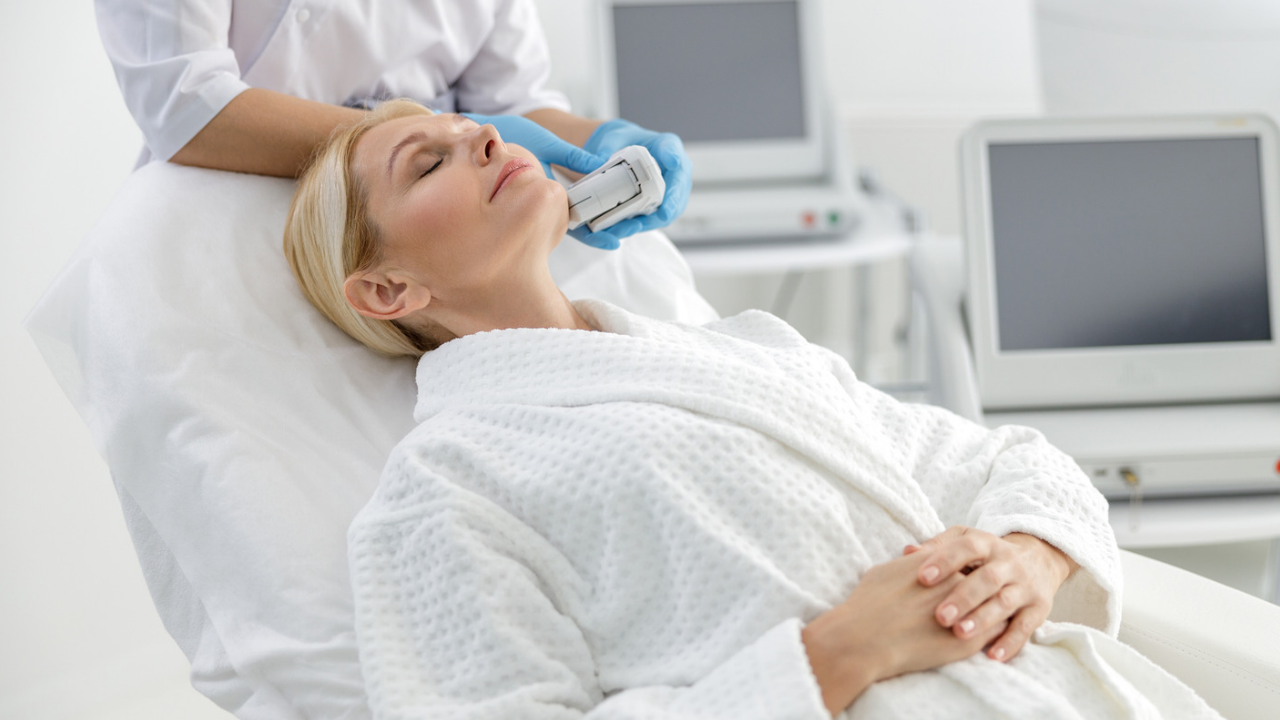
What Is XERF? Non-Surgical Radiofrequency Skin Tightening
XERF is a non-invasive energy based device that uses monopolar radiofrequency to create controlled heating within the tissues with the aim of producing soft tissue coagulation and remodeling effects that may improve skin firmness and laxity.
One of the features that distinguishes XERF from many conventional monopolar RF systems is its use of two frequencies, 6.78 MHz and 2 MHz, together with selectable treatment settings designed to influence thermal distribution at different tissue levels.
The procedure does not use needles and does not require a fiber to be inserted beneath the skin. It is therefore fundamentally different from technologies such as radiofrequency microneedling or Endolift.
How does XERF work?
The treatment handpiece is placed against the skin and monopolar radiofrequency energy travels through the tissues toward a return electrode positioned on the patient's body.
As electrical current encounters tissue impedance, electrical energy is converted into heat.
The objective is to create controlled tissue heating while protecting the skin surface.
XERF incorporates cryogen based epidermal cooling to help protect superficial tissue and improve comfort during treatment.
What is different about XERF frequencies?
The system uses 6.78 MHz and 2 MHz radiofrequency energy.
Computational and preclinical research suggests that frequency influences the distribution of thermal energy within tissue.
A recent computational and histological study found that 2 MHz RF produced broader and deeper thermal effects within adipose tissue, while 6.78 MHz produced more localized heating along fibrous structures.
Sequential dual frequency treatment was associated with collagen and elastin remodeling in the animal model.
However, preclinical tissue findings should not automatically be interpreted as proof that every patient experiences the same tissue response or clinical outcome.
Can XERF tighten facial skin?
Early clinical studies suggest that dual frequency monopolar RF may improve facial laxity in selected patients.
A 2026 prospective multicenter study involving 39 participants reported short term improvement after two treatments, with outcomes assessed at 30 and 90 days.
A more recent retrospective study of patients treated with XERF also reported objective and subjective improvements following a single session through three months of follow up.
These results are encouraging, but the clinical evidence remains relatively new and sample sizes are small.
Large controlled studies with longer follow up are still needed before precise or universal claims about the degree and durability of tightening can be made.
Which areas can be treated?
XERF is being studied and used clinically for areas including the face, lower face, jawline, submental region and neck.
Recent clinical research has specifically investigated facial laxity, lower face lifting and submental and neck laxity.
Treatment settings should be selected according to anatomy, tissue thickness and the clinical objective.
Does XERF melt facial fat?
XERF should not simply be described as a facial fat melting device.
Recent computational and histological research demonstrated that lower frequency RF can produce deeper thermal distribution that extends into subcutaneous tissue.
However, histological analysis in the studied animal model found no evidence of adipocyte apoptosis.
Reaching the subcutaneous fat layer is therefore not the same as proving destruction of fat cells.
This distinction is particularly important in facial treatment because appropriate facial volume contributes to youthful facial structure.
Is XERF painful?
XERF incorporates surface cooling designed to improve comfort during RF energy delivery.
Published clinical studies have generally reported good tolerability, and topical anesthesia was not used in the recent prospective multicenter study.
However, patients can experience heat or discomfort, and sensation varies according to treatment area, energy settings and individual sensitivity.
It is therefore more accurate to describe the treatment as generally well tolerated rather than universally painless.
Is there downtime after XERF?
Recovery is generally limited compared with procedures that penetrate the skin.
Temporary redness, swelling, tenderness or sensitivity may occur.
Published clinical studies have mainly reported mild and transient adverse effects, and the small prospective multicenter study reported no persistent adverse events.
However, a limited number of patients in a clinical study cannot establish that serious complications are impossible.
Is XERF an alternative to a surgical facelift?
No.
XERF is non-invasive and cannot reproduce surgical removal of excess skin or repositioning of deeper facial tissues.
It may be considered in selected patients with mild to moderate laxity who are seeking non-surgical improvement.
Advanced tissue descent or significant excess skin may require a different treatment strategy.
Are results immediate?
Some early change may occur following thermal treatment, but longer term improvement is expected to depend partly on gradual tissue remodeling.
Current clinical studies have assessed outcomes at intervals such as 30 and 90 days.
Results should therefore be evaluated progressively rather than solely from the appearance immediately after treatment.
How many sessions are needed?
There is currently no universal evidence based number of XERF treatments.
One recent prospective study used two sessions four weeks apart, while another retrospective study reported improvement after a single session.
This difference illustrates why a protocol from one study should not automatically become a rule for every patient.
Treatment number should depend on anatomy, degree of laxity, treatment area, response and clinical objectives.
Who may not be suitable for XERF?
Patient selection should take into account anatomy, medical history, skin condition in the treatment area, implanted medical devices and the manufacturer's specific safety instructions.
Patients should disclose medical conditions, medications and implanted devices before treatment.
Elective cosmetic procedures are also generally postponed during pregnancy.
How is XERF different from Morpheus8?
XERF delivers monopolar RF from the skin surface without needles.
Morpheus8 is a radiofrequency microneedling system in which needles enter the skin and deliver RF energy at selected depths.
The method of energy delivery, tissue interaction, recovery and treatment goals are therefore different.
How is XERF different from Endolift?
XERF is a non-invasive surface delivered monopolar RF treatment.
Endolift is a minimally invasive procedure in which a fine laser fiber is introduced beneath the skin.
Although both use energy to influence tissue, they should not be considered interchangeable procedures.
What does the scientific evidence show so far?
Scientific evidence specifically involving XERF is developing but remains relatively early.
Preclinical and computational studies support frequency dependent thermal distribution and collagen remodeling.
Early clinical studies have reported improvements in facial laxity and patient satisfaction.
However, sample sizes remain small, follow up is relatively short and some research has manufacturer or device related involvement.
The findings are promising but require larger independent controlled studies and longer follow up.
The bottom line
XERF is a non-invasive multifrequency monopolar radiofrequency system using 6.78 MHz and 2 MHz energy to produce controlled thermal effects within tissues.
Early evidence suggests potential improvement in facial firmness and laxity in appropriately selected patients with generally limited recovery.
It is not equivalent to a surgical facelift and should not automatically be described as a facial fat destruction treatment.
Appropriate diagnosis, patient selection and treatment parameters remain more important than the device name itself.
Frequently asked questions
Is XERF a laser?
No. XERF uses radiofrequency energy rather than laser energy.
Does XERF use needles?
No. Energy is delivered through a handpiece placed against the skin without microneedles.
Does XERF destroy facial fat?
Current preclinical evidence does not support describing it simply as a fat destroying treatment. A recent histological study found no adipocyte apoptosis in the animal model evaluated.
Can XERF treat severe facial sagging?
It may improve selected degrees of laxity, but it cannot replace surgical correction when significant excess skin or advanced tissue descent is present.
This content is intended for medical education and general patient information. Individual suitability and treatment parameters should be determined by a qualified medical practitioner according to patient assessment and device instructions.