
Under-Eye Filler: Who Is a Good Candidate and Who Should Avoid It?
Oct 06, 2026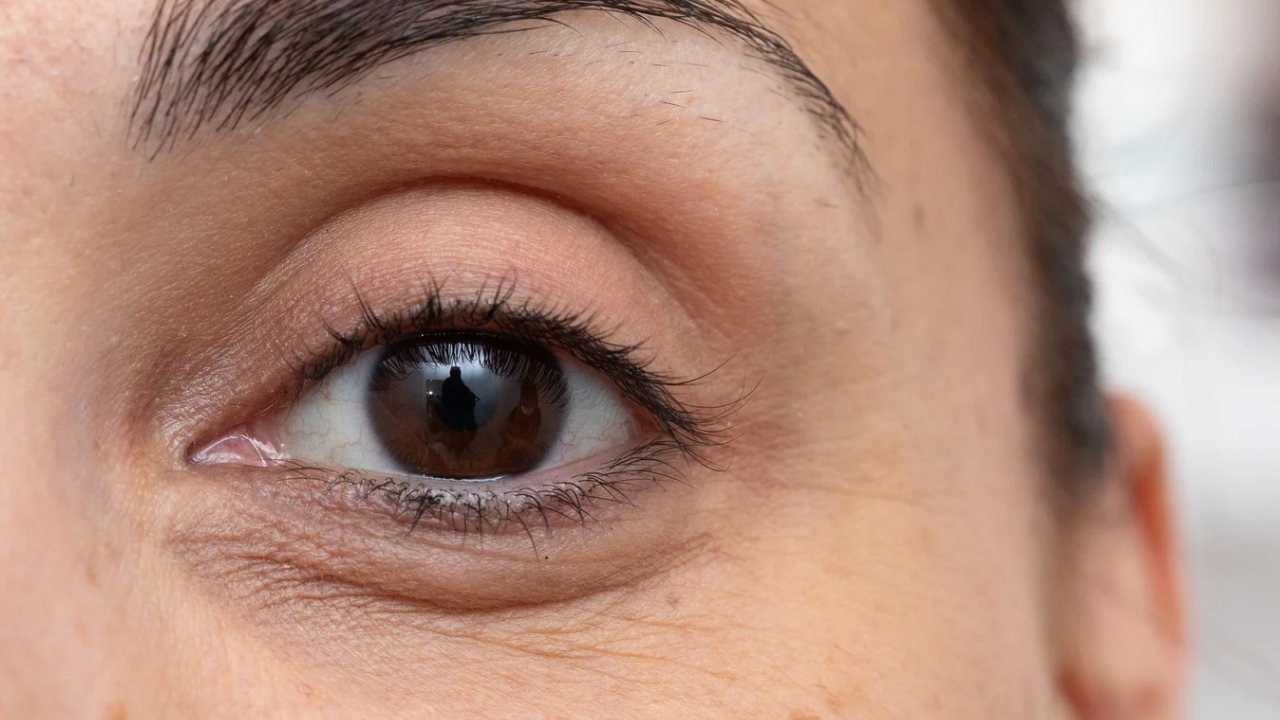
Under-Eye Filler: Who Is a Good Candidate and Who Should Avoid It?
Under-eye filler can produce a meaningful improvement in appropriately selected patients, but the lower eyelid is also an area that requires particularly careful assessment before treatment.
Not every hollow, dark circle or tired-looking under-eye is caused by volume loss that requires filler.
In some patients filler can improve the contour. In others, it can contribute to puffiness or make the area appear heavier.
The most important question is therefore not simply whether under-eye filler is a good treatment, but whether this particular patient is a good candidate for it.
What Is the Tear Trough?
The tear trough is a depression that may appear between the lower eyelid and the inner cheek.
It can be related to a person's natural anatomy from a young age or become more visible as facial tissues change and lose support over time.
The depression can create a shadow that makes the area look dark or tired even when there is little true pigmentation.
When Can Under-Eye Filler Help?
Filler may be considered in selected patients when an appropriate anatomical hollow or loss of support and volume contributes significantly to shadowing.
The objective is not to “inflate” the lower eyelid. It is to improve the transition between the eyelid and cheek in a carefully selected case.
Anatomy should determine where and how treatment is performed rather than treating every visible line beneath the eye in the same way.
Who May Not Be a Good Candidate?
Patients with prominent fat pads, chronic under-eye puffiness or a significant tendency toward edema may not be ideal candidates for filler in this region.
Very thin skin and certain anatomical characteristics may also require a different approach.
Sometimes the main structural issue is located in the cheek or midface rather than in the tear trough itself, so direct under-eye injection may not be the appropriate solution.
Can Under-Eye Filler Treat Dark Circles?
It depends on the cause.
If darkness is predominantly a shadow created by structural hollowing, improving the contour may reduce that shadow.
If the darkness is caused by pigmentation or vascular factors, filler does not correct the underlying cause.
Read more: Under-Eye Dark Circles — Causes and Treatments
Why Can Swelling Occur After Under-Eye Filler?
The under-eye region is sensitive to fluid balance, and hyaluronic acid fillers can attract water to different degrees depending on their properties.
Product characteristics, injection volume, placement, anatomy and lymphatic drainage can all influence the result.
For this reason, adding more filler is not always the correct response when the appearance is unsatisfactory.
What Is the Tyndall Effect?
A blue or gray appearance may occur when certain hyaluronic acid fillers are placed too superficially beneath thin skin.
This is commonly referred to as the Tyndall effect.
It is one reason why appropriate injection depth, technique and product selection are particularly important in the lower-eyelid region.
Can Under-Eye Filler Be Dissolved?
Hyaluronidase can be used to address hyaluronic acid filler in appropriate circumstances.
However, the reason for an unsatisfactory result should first be assessed because persistent swelling, contour problems and other concerns may have different causes.
Hyaluronidase is itself a medical treatment with its own considerations and risks; it should not be viewed simply as an “undo button.”
Is Under-Eye Filler Dangerous?
All facial filler injections carry risks.
In addition to swelling, bruising and contour irregularities, rare but serious vascular complications can occur with filler injections.
Treatment should therefore be performed by a qualified practitioner with a detailed understanding of vascular anatomy and the ability to recognize and manage complications promptly.
Severe or increasing pain, unusual skin discoloration or any visual disturbance after filler injection requires urgent medical assessment.
Can Under-Eye Filler Migrate?
Product or contour can appear in an undesirable location for several reasons, including volume, injection plane, material characteristics and local anatomy.
What a patient describes as “migration” may sometimes represent persistent edema, excessive product or visible filler within a thin tissue layer.
The area should therefore be assessed before determining the cause.
Under-Eye Filler vs Polynucleotides: Which Is Better?
They perform different functions.
Filler is used when volume or structural support is the primary issue.
Polynucleotides focus more on skin quality, fine lines and dryness.
One may be appropriate without the other, while selected patients may have separate concerns that require a staged treatment plan.
Can the Under-Eye Area Be Treated Without Filler?
Yes.
When the main concern involves skin quality, fine lines, pigmentation or dynamic wrinkles, other treatments may be more relevant to the underlying problem.
These can include polynucleotides, other skin-quality injectables, botulinum toxin or resurfacing technologies depending on the diagnosis.
Do I Need Cheek Filler Instead of Tear-Trough Filler?
Midface support can contribute to the appearance of the lower eyelid in some patients.
However, this does not mean everyone with a tear trough automatically needs cheek filler.
The entire face should be assessed to determine where genuine structural support has been lost rather than applying one rule to every patient.
The Bottom Line
Under-eye filler can be effective in appropriately selected patients, but it is not the correct treatment for every dark circle or under-eye hollow.
Patient selection requires assessment of anatomy, the tear trough, fat pads, edema tendency, skin quality and volume loss.
In this area in particular, selecting the right patient is more important than simply selecting a product.
Related Articles
Under-Eye Dark Circles: Causes and Treatments
Polynucleotides for the Under-Eye Area
Skin Boosters vs Polynucleotides vs RRS Eyes
This article is intended for general medical education and does not replace an individual medical consultation or examination.