
Under-Eye Dark Circles: What Causes Them and Which Treatment Is Right for Each Type?
Oct 06, 2026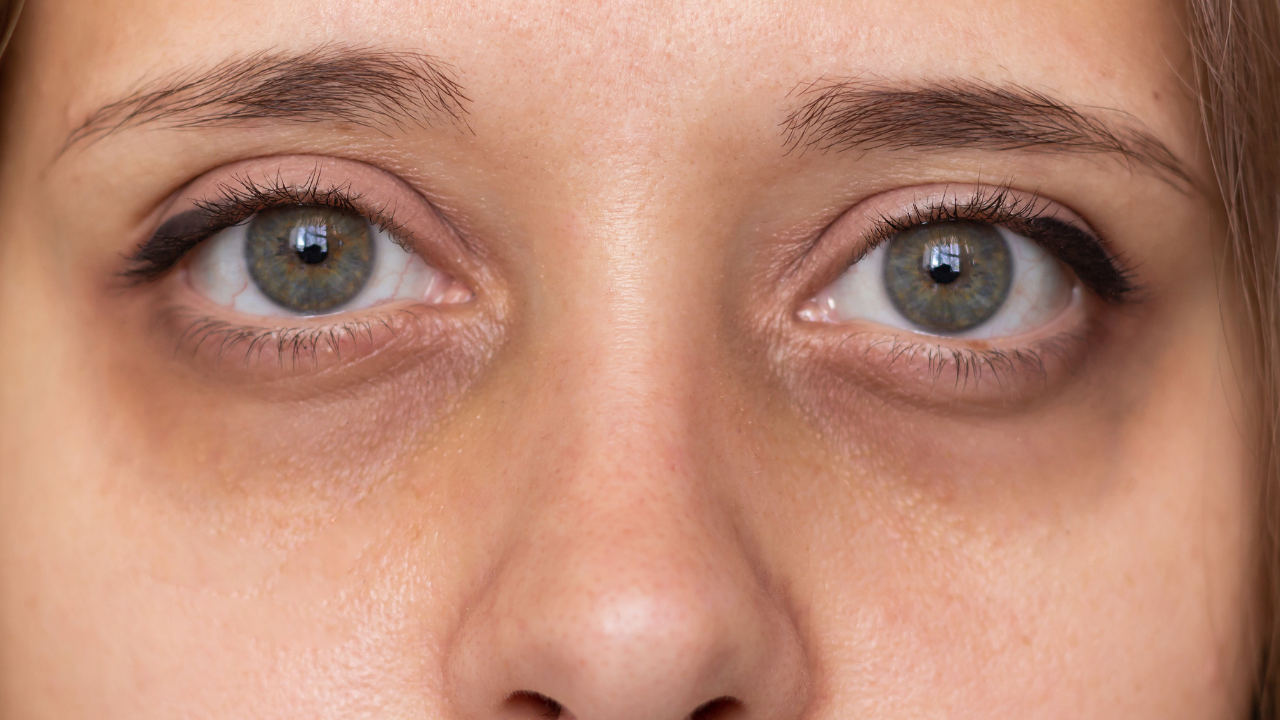
Under-Eye Dark Circles: What Causes Them and Which Treatment Is Right for Each Type?
Dark circles are one of the most common concerns affecting the under-eye area, but they are not a single diagnosis.
A dark appearance may result from pigmentation, visible underlying vessels, tear-trough shadowing, thin skin, changes in skin quality or several factors occurring together.
This explains why a treatment may work well for one person but produce little improvement in another, even though both describe their concern as “dark circles.”
The most important question before treatment is: Why does the area look dark?
What Are the Main Types of Dark Circles?
Under-eye darkness can be associated with several different factors, and many patients have more than one.
Important causes include pigmentary discoloration, vascular visibility, anatomical shadowing, thin skin and changes in skin quality.
Sun exposure, allergies and repeated eye rubbing may also contribute in some patients.
What Are Pigmented Dark Circles?
In this type, there is genuine increased brown or dark pigmentation in the skin.
Genetics, skin type, sun exposure and repeated inflammation can contribute.
Adding volume with filler does not correct the primary cause when the problem is pigment rather than structural hollowing.
The type of pigmentation should therefore be assessed before treatment, particularly in patients who are more susceptible to post-inflammatory hyperpigmentation.
What Are Vascular Dark Circles?
Lower-eyelid skin is extremely thin, allowing underlying vessels and tissues to become more visible in some patients.
This can create a blue, purple or darker appearance.
Vascular visibility is different from true brown pigmentation, so the appropriate treatment may also be different.
How Can the Tear Trough Create Dark Circles?
Sometimes there is little actual discoloration of the skin.
An anatomical depression between the lower eyelid and cheek can create a shadow that makes the area appear darker, particularly under overhead lighting.
In these patients, the concern is related more to anatomy, contour and shadow than to skin pigmentation.
This is also why the apparent severity of dark circles may change considerably depending on lighting.
Can Filler Treat Dark Circles?
Filler is not a universal treatment for dark circles.
It may help selected patients when tear-trough hollowing and loss of support are major contributors to shadowing.
However, filler does not correct the primary cause of true pigmentation or vascular discoloration.
The under-eye region also requires careful patient selection because edema tendency, prominent fat pads and individual anatomy can make filler less suitable.
Read more: Under-Eye Filler — Who Is a Good Candidate?
What Is the Role of Polynucleotides?
When thin, dry or finely wrinkled skin contributes to the appearance, skin-quality treatments such as polynucleotides may be considered in appropriately selected patients.
They do not, however, remove every type of dark circle or replace structural volume in the way a filler can.
Read more: Polynucleotides for the Under-Eye Area
Can RRS Eyes Help?
Products designed for the periocular region may be used to improve hydration, skin quality and fine lines depending on their formulation and the patient's concern.
However, improving skin quality alone may not adequately address significant structural hollowing, prominent fat pads or true pigmentation.
Read more: Skin Boosters vs Polynucleotides vs RRS Eyes
Does Botox Treat Dark Circles?
Botulinum toxin does not directly treat pigmentation or a tear trough.
Its primary role around the eyes is related to dynamic wrinkles caused by muscle movement in appropriately selected patients.
It may therefore address one aspect of periocular aging without treating the actual cause of dark circles.
Can Fractional Laser Help?
When surface texture, fine lines or certain skin-quality changes contribute to the concern, resurfacing treatments may form part of an individualized plan.
The eyelid region requires careful treatment selection, appropriate settings and proper eye protection.
The patient's risk of pigmentation should also be considered.
Read more: What Is Fractional Erbium Laser?
Can Under-Eye Bags Make the Area Look Darker?
Yes.
Prominent fat pads can create contours and shadows that make the under-eye area appear darker or more tired.
Injecting the area does not remove protruding fat itself.
When eye bags are the primary problem, anatomy should be assessed before attempting to fill every visible shadow.
Why Might More Than One Treatment Be Needed?
Dark circles are frequently multifactorial.
A patient may have some pigmentation together with thin skin and structural hollowing.
Treating one factor may improve part of the appearance without correcting everything.
Combination treatment, however, does not mean performing every available procedure. It means addressing the causes that have actually been identified.
How Do I Know Which Treatment Is Right for My Dark Circles?
Assessment should consider skin color, skin thickness, volume loss, tear-trough anatomy, fat pads, edema, skin quality and the effect of lighting on the appearance.
Once the cause is identified, treatment can be selected much more accurately.
The Bottom Line
Dark circles are not one condition, which is why there is no single treatment that works for every patient.
The cause may be pigmentation, vascular visibility, thin skin, a tear trough, prominent fat pads or several factors together.
Successful treatment therefore begins with diagnosis rather than with choosing a product.
Related Articles
Under-Eye Filler: Who Is a Good Candidate?
Polynucleotides for the Under-Eye Area
Skin Boosters vs Polynucleotides vs RRS Eyes
What Is Fractional Erbium Laser?
This article is intended for general medical education and does not replace an individual medical consultation or examination.