
The Endolift Treatment Journey: Before, During and After
Sep 28, 2026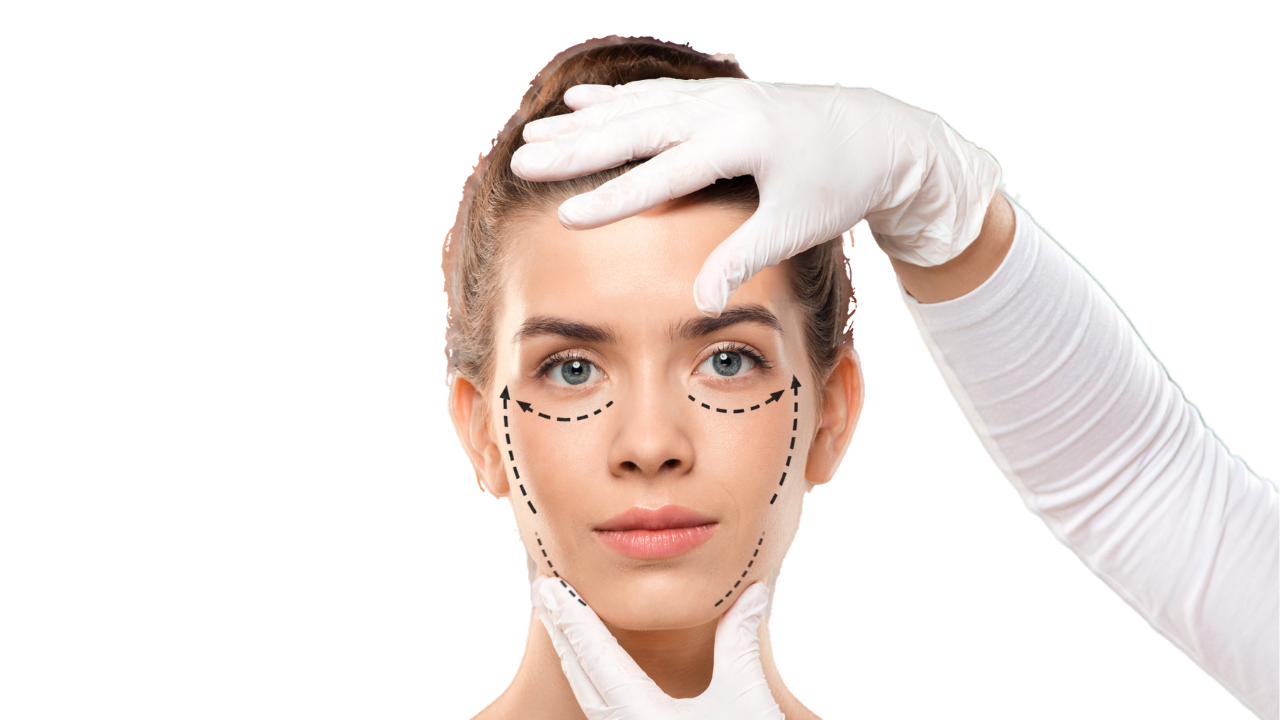
The Endolift Treatment Journey: Before, During and After
The Endolift experience begins before entering the treatment room. Consultation, diagnosis and patient selection are more important than the device alone. A physician should examine the face and neck and identify the main concern: skin laxity, localized fat, volume loss, or deeper tissue descent that may require another approach. A plan can then be designed around the patient’s anatomy and realistic goals.
Step one: consultation and assessment
The physician reviews medical conditions, medication, allergies, previous procedures, smoking and healing problems. The examination considers skin thickness, laxity, fat distribution, muscle movement and pre-existing asymmetry.
Patients should disclose blood-thinning medication, supplements, chronic conditions, implanted devices, pregnancy or breastfeeding, and any infection or inflammation near the treatment area. Prescribed medication should never be stopped without consulting the clinician who prescribed it.
Step two: preparing for treatment
Instructions vary and may include avoiding irritating skin treatments or excessive sun exposure, arriving with clean skin, and allowing flexible recovery time. Additional tests or medical clearance may be requested when relevant health factors are present.
Standardized clinical photographs are usually taken. Expected outcomes, alternatives and potential risks should be discussed before informed consent is signed.
What happens on treatment day?
The physician maps the treatment areas and fiber pathways according to the patient’s anatomy. After cleansing and disinfecting the skin, local anesthesia is used to reduce discomfort. Very fine optical fibers are introduced through tiny entry points and moved within the selected tissue plane to deliver controlled laser energy.
Patients may feel pressure, movement, warmth or intermittent stinging. Sharp pain or an unusual sensation should be reported immediately.
Treatment time varies according to the number, size and complexity of the areas. A faster procedure is not necessarily a better one.
What happens immediately afterward?
Redness, swelling or bruising can appear around anesthetic injection sites and fiber entry points. Tightness, tenderness or temporary numbness may occur. Patients should receive clear aftercare instructions and an appropriate follow-up plan.
The area should not be pressed, massaged or exposed to heat unless the treating physician specifically recommends it. Medication or supplements for bruising should not be started without checking that they are suitable.
The following days and weeks
Swelling may look more noticeable the next day before gradually improving. Bruising varies and can outlast swelling. Collagen remodeling is slow, so the long-term aesthetic outcome cannot be assessed during the first few days.
Patients should contact their physician if pain worsens instead of improving, redness spreads, discharge or fever develops, lip or facial movement changes noticeably, or unusual skin changes appear.
How should the experience and result be evaluated?
The most reliable assessment combines standardized photographs with clinical examination at scheduled follow-up visits. Early healing should be separated from the longer-term cosmetic result. Any asymmetry should also be evaluated in context, because it may have existed before treatment or may be temporarily exaggerated by swelling.
The bottom line
A successful Endolift experience is more than the procedure itself. It begins with accurate diagnosis and continues through individualized planning, careful treatment, clear aftercare and appropriate follow-up. Choosing an experienced physician, maintaining realistic expectations and reporting unexpected symptoms are essential parts of the process.
Frequently asked questions
Can I drive after Endolift?
This depends on the medication used, the extent of treatment and how the patient feels afterward. Arrange transportation if the physician recommends it.
Can I return to work the next day?
Some patients can, but visible swelling or bruising may remain. It is sensible to allow flexibility during the first few days.
Can makeup be applied immediately?
The physician should advise when makeup is safe based on the condition of the entry points and skin. Makeup should not be applied over skin that has not closed or healed.
When is follow-up scheduled?
Timing is individualized. Follow-up may include an early healing assessment and a later visit to evaluate the result.