
Skin Boosters for the Face, Neck and Hands: Which Areas Can Be Treated?
Oct 03, 2026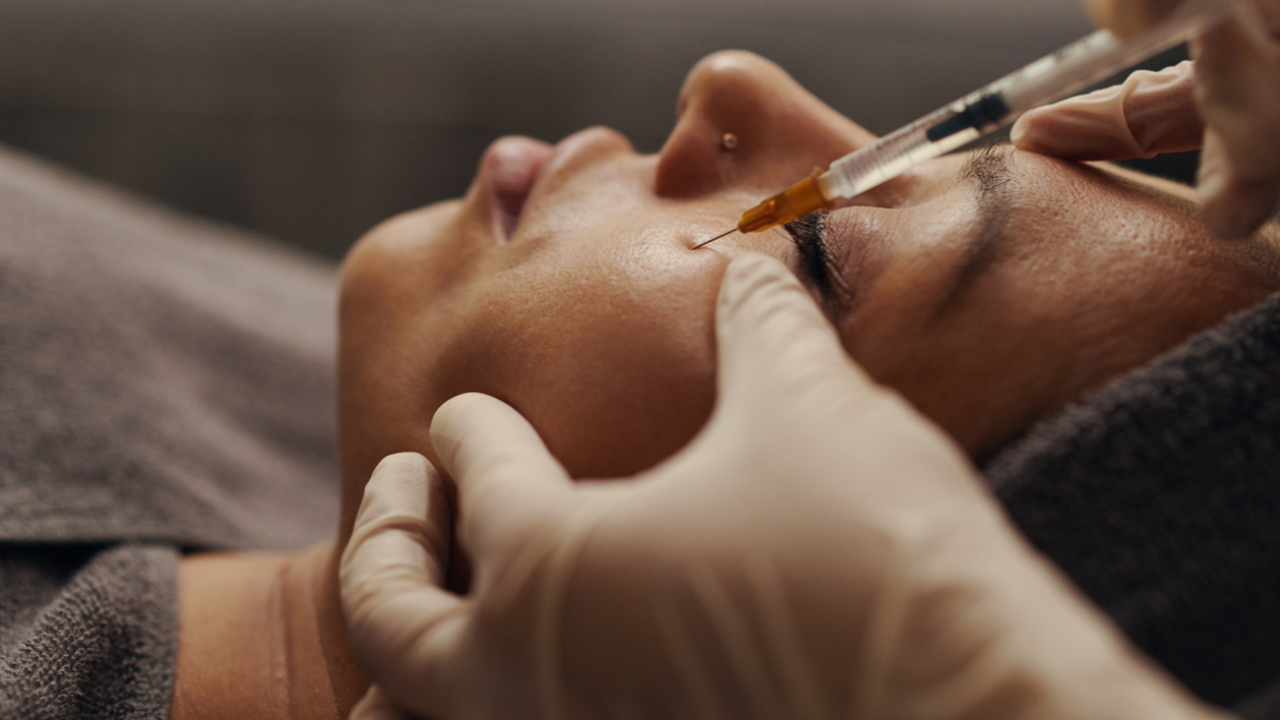
Skin Boosters for the Face, Neck and Hands: Which Areas Can Be Treated?
Visible skin aging does not occur only on the face.
The neck and dorsal hands can reveal age-related changes through chronic sun exposure, altered hydration and elasticity, changes in tissue thickness and volume loss.
Certain skin boosters and injectable hyaluronic acid treatments are therefore used on the face, neck and hands.
Anatomical region matters, however.
A treatment appropriate for cheek skin is not automatically the right treatment for the neck or hands, and the same product and injection technique should not simply be applied everywhere.
What do skin boosters do for the face?
On the face, the objective is generally to improve skin quality rather than substantially alter facial shape.
Treatment goals can include hydration, texture, radiance and certain fine lines.
Scientific reviews suggest that selected injectable HA treatments can improve measures of facial skin quality, with hydration and radiance among the better-supported outcomes.
Do skin boosters fill the face?
That is generally not their primary objective.
If a patient has substantial volume loss in the cheeks, temples or other regions, a structural filler, biostimulator or another treatment may be more appropriate.
A skin booster should not be used as a universal solution for every feature of facial aging.
Can skin boosters be used under the eyes?
The under-eye region requires separate assessment.
The skin is thin, lymphatic anatomy is important, and some patients are prone to edema or malar bags.
A product being called a skin booster does not automatically make it appropriate for the under-eye region.
Material and technique must be selected carefully.
Are skin boosters suitable for the neck?
The neck has been evaluated in studies involving certain injectable HA products.
Treatment objectives can include hydration, texture and selected skin-quality changes.
Neck aging, however, can also involve skin laxity, platysmal bands, submental fat and loss of jawline support.
A skin booster cannot address all of these components.
Can skin boosters improve neck lines?
Certain superficial lines may improve as skin hydration and quality improve.
Deeper horizontal neck lines can also relate to movement, anatomy and other factors.
Combination treatment may therefore be required rather than relying on a skin booster alone.
Do skin boosters tighten the neck?
Skin boosters should not be presented as a neck lift.
Certain skin characteristics may improve, but injectable HA cannot remove significant excess skin.
The distinction between improving skin quality and physically lifting tissues is important.
Can skin boosters be used on the hands?
Yes, clinical data exist for certain injectable HA treatments used to improve skin characteristics on the dorsal hands.
One study involving the face, neck and hands found improved hydration following a series of small-particle HA treatments.
Hand aging, however, involves more than skin hydration.
Why do hands look older?
With age, tissues can become thinner and volume can decrease, making veins, tendons and underlying bony structures increasingly visible.
Solar lentigines and changes in texture can also develop.
A skin booster may address certain skin-quality characteristics but cannot treat every component of hand aging.
Can a skin booster hide hand veins?
Not reliably when the primary reason for visible veins and tendons is volume loss.
Appropriate volume restoration may be required in these cases.
Improving hydration alone does not replace missing soft-tissue volume.
Do skin boosters treat pigmentation on the hands?
Not directly.
Sun spots and other pigmentation require assessment and treatments that specifically target pigment.
Improving skin quality does not make an injectable HA product a specific treatment for solar lentigines.
Can the same product be used on the face, neck and hands?
Certain products have evidence or indications involving multiple regions, but this should not be generalized to every skin booster.
The specific product, instructions and supporting evidence should be considered.
Technique, amount and injection depth may also differ between anatomical areas.
Can all three areas be treated during the same appointment?
This may be possible in selected cases, but treating as many regions as possible should not be the objective.
Product, total amount, medical factors, treatment area and tolerance of swelling or bruising should be considered.
Staging treatment can sometimes be more appropriate.
Is the number of sessions the same for every area?
Not necessarily.
Even with the same product, baseline skin and treatment objectives may differ between the face, neck and hands.
Clinical studies have also used different protocols.
Three treatments, for example, should not automatically be considered a universal rule for every anatomical region.
Are the results identical on the face, neck and hands?
No.
Skin characteristics, tissue thickness, movement and ultraviolet exposure differ between these regions.
Response, longevity and the type of visible improvement can therefore differ.
What about the décolletage?
Certain injectable skin-quality treatments are also used on the upper chest.
This region is often significantly affected by photoaging and pigmentation.
When pigment, telangiectasia or sun damage is the primary concern, treatments specifically targeting those problems may be required.
Can skin boosters be combined with Botox?
Yes, when separate indications exist.
Botulinum toxin addresses muscle activity, while a skin booster targets different skin characteristics.
Can they be combined with dermal filler?
Potentially, when a patient has both skin-quality changes and structural volume loss.
The purpose of each injectable should be defined rather than adding products without a clear indication.
Can skin boosters be combined with laser treatment?
Potentially.
Depending on the device, lasers can address texture, pigmentation or photoaging, while injectable HA works differently.
Timing should take recovery and inflammation into account.
Can they be combined with radiofrequency or microneedling?
Energy-based treatments may form part of a comprehensive treatment plan.
Procedure sequence, treatment depth, anatomical area and the injected product should all be considered.
There is no universal rule applicable to every device and every skin booster.
Are skin boosters suitable for every skin type?
Skin color alone does not determine candidacy.
Baseline skin condition, dermatological disease, active inflammation or infection, medical history, product and anatomical area should all be considered before treatment.
What are the possible side effects?
Redness, swelling, bruising, discomfort and temporary injection-site bumps can occur.
Inflammatory reactions, nodules and other less common complications are also possible.
As with other facial injectable procedures, vascular complications are an important potential risk depending on the material, anatomy and technique.
When should I seek urgent medical assessment?
Severe or increasing pain, abnormal skin discoloration, signs of compromised blood flow or any visual symptoms following facial injection require urgent medical assessment.
These should not be considered routine recovery symptoms.
How do I decide which area needs treatment?
Rather than starting with the question, "Where can I inject a skin booster?" it is more useful to ask, "What problem am I trying to treat?"
When hydration, texture or certain fine lines are the primary concerns, an injectable skin-quality treatment may be appropriate.
When the problem is volume loss, pigmentation, muscle activity or advanced laxity, another treatment may be more appropriate.
The bottom line
Selected skin boosters and injectable HA treatments can be used on the face, neck and hands, with clinical evidence supporting improvement in certain skin-quality measures in these regions.
The areas are not interchangeable.
The face, neck and hands differ in anatomy, skin thickness, movement and aging pattern.
A skin booster may improve hydration, texture and selected aspects of skin quality, but it does not automatically treat volume loss, pigmentation, muscular activity or advanced laxity.
Appropriate treatment begins by diagnosing the concern in each anatomical region and then selecting the appropriate product and technique.
Frequently asked questions
Can skin boosters be used on the face, neck and hands?
Yes, with selected products, but indications and technique should be matched to the product and anatomical area.
Can they improve neck lines?
Certain superficial lines may improve, while deeper lines may require additional treatments.
Can skin boosters hide veins on the hands?
If prominent veins are primarily related to volume loss, a skin booster alone may not provide adequate correction.
Do skin boosters remove pigmentation?
Not directly. Pigmentation requires treatments that specifically target pigment.
Can I treat all areas during one appointment?
It may be possible in selected patients, but treatment planning should reflect the product, patient and objective rather than simply maximizing the number of areas treated.
This content is intended for general medical education and does not determine the product or injection technique appropriate for a particular anatomical region. Treatment selection requires appropriate medical assessment.