
The Complete Botox Guide: Uses, Results, Longevity and Side Effects
Oct 02, 2026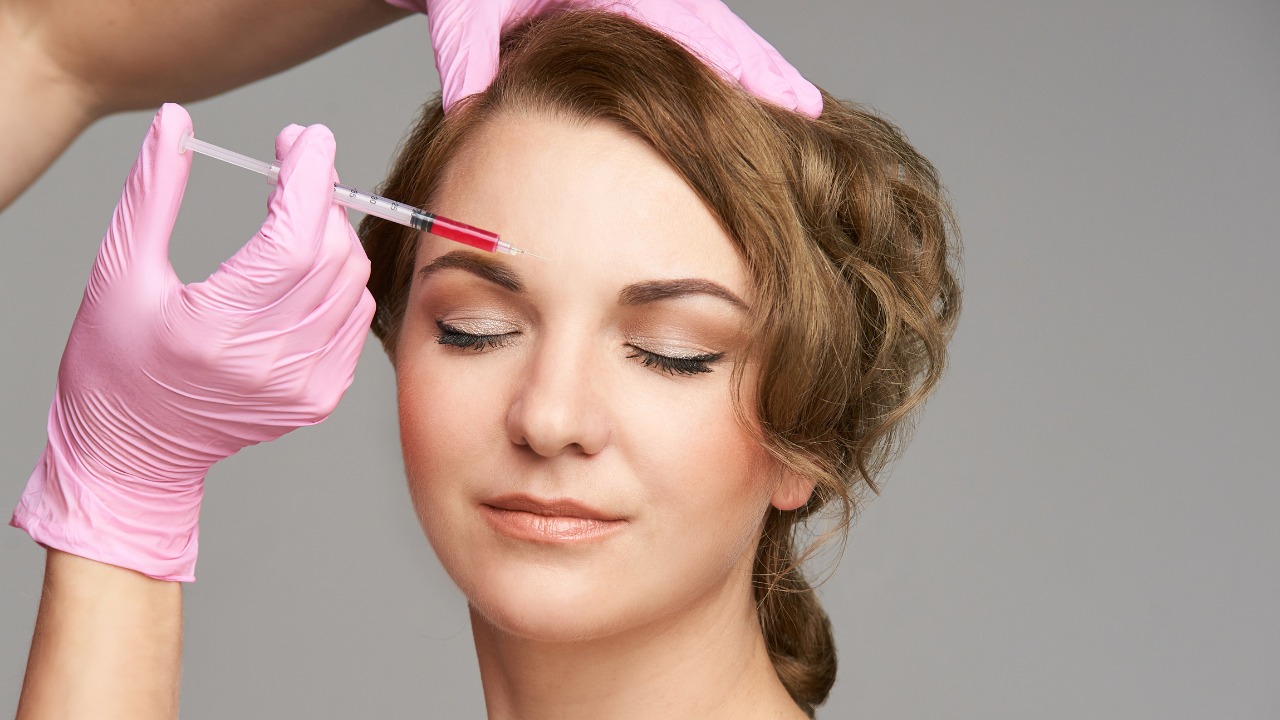
The Complete Botox Guide: Uses, Results, Longevity and Side Effects
Botox is one of the most widely recognized treatments for reducing facial lines caused by repeated muscle movement. However, Botox is actually a brand name for one botulinum toxin type A product rather than the scientific name for every botulinum toxin product.
Botulinum toxin temporarily reduces communication between a nerve and the targeted muscle. When carefully injected into selected facial muscles, it can reduce excessive contraction and soften dynamic wrinkles while preserving natural expression when treatment is appropriately planned.
How does botulinum toxin work?
Facial muscles contract repeatedly during expression, speech, smiling and frowning.
Over time, repeated folding of the skin can contribute to visible expression lines.
Botulinum toxin type A temporarily inhibits acetylcholine release at the neuromuscular junction, reducing contraction of the targeted muscle.
The effect is localized and temporary, and muscle activity gradually returns.
What are dynamic and static wrinkles?
Dynamic wrinkles become visible or deeper when facial muscles contract.
Common examples include glabellar frown lines, forehead lines and crow's feet.
These lines often respond particularly well to botulinum toxin because muscle activity is a major component of their formation.
Static lines remain visible when the face is relaxed. They may reflect longer term changes in the skin, collagen loss and other aspects of facial aging.
Reducing repeated muscle contraction may improve some static lines over time, but other treatments may also be needed.
Which areas can be treated?
Common cosmetic treatment areas include the glabella, forehead and lateral eye area.
Botulinum toxin may also be used selectively in other facial and neck areas, including the nose, chin, gummy smile, DAO muscles, masseters and platysma.
Lower facial and neck injections require advanced anatomical knowledge because these muscles contribute to smiling, speech, chewing, swallowing and oral function.
What does Full Face Botox mean?
Full Face Botox should not mean routinely injecting every muscle in the face.
A more appropriate approach is to assess the face as a whole and selectively treat muscles where modification is indicated.
The objective is facial balance rather than eliminating all movement.
Can Botox lift the eyebrows?
Careful treatment can alter the balance between muscles that elevate and depress the brow, producing a limited change in brow position in selected patients.
A Botox brow lift is not equivalent to surgical lifting and cannot remove excess skin or correct advanced brow ptosis.
Incorrect forehead treatment can also produce heaviness or lowering of the brow.
When does Botox start working?
The result is not immediate.
The effect generally develops gradually over the days following injection, while the full effect may take approximately two weeks depending on the product, treatment area and individual patient.
Different botulinum toxin formulations can vary in onset, so one exact timeline should not be applied to every product.
How long does Botox last?
Cosmetic effects commonly persist for several months, with approximately three to four months frequently reported in clinical practice and literature.
Duration varies according to product, dose, muscle, treatment area and individual characteristics.
Importantly, units of different botulinum toxin products are not interchangeable on a simple unit for unit basis.
Should Botox freeze the face?
No.
Complete facial immobility is not a required treatment outcome.
Natural results depend on appropriate muscle selection, dose and injection placement based on the patient's anatomy and movement patterns.
Some patients prefer greater movement reduction while others prefer to preserve more expression.
Treatment should be individualized.
Can Botox prevent wrinkles?
Reducing repetitive muscle contraction can reduce repeated folding of the overlying skin and may help limit the development or progression of some dynamic lines.
However, saying that Botox prevents facial aging in general is inaccurate.
Facial aging involves changes in skin, collagen, fat, bone, ligaments and muscles. No single injectable treatment can stop all of these processes.
What are the common side effects?
Temporary injection site discomfort, redness, swelling or small bruises can occur.
Some patients may also experience headache or a temporary feeling of heaviness.
Most common aesthetic treatment effects are limited and temporary.
What complications can occur?
Complications depend on the treatment area, dose and unintended effects on nearby muscles.
Temporary eyelid or brow ptosis can occur, as can asymmetry or an unwanted change in facial expression.
In the lower face and neck, weakening an unintended muscle may affect smiling, speech, chewing or swallowing.
Serious systemic symptoms are uncommon, but difficulty breathing or swallowing or unusual generalized weakness requires urgent medical assessment.
Who may not be suitable for treatment?
Treatment should be avoided or carefully assessed in patients with known hypersensitivity to product components, infection at the planned injection site and certain neuromuscular disorders.
Patients should disclose medications, supplements and relevant medical conditions before treatment.
Elective cosmetic injections are generally postponed during pregnancy because there is no medical need to accept avoidable uncertainty for an elective procedure.
Breastfeeding considerations should be assessed individually and according to the information for the specific product being used.
Can Botox and fillers be combined?
Yes, in appropriately selected patients.
Botulinum toxin modifies muscle activity, while fillers address different problems such as volume loss, structural support or contour.
Both may form part of one treatment plan when there is a clear indication for each.
Can Botox be combined with energy based treatments?
Botulinum toxin may be incorporated into treatment plans that also include lasers, radiofrequency technologies or procedures such as Endolift.
Sequencing depends on the device, treatment area and treatment intensity. There is no single timing rule appropriate for every energy based procedure.
What does the scientific evidence show?
Botulinum toxin type A has been extensively studied for aesthetic facial treatment.
Clinical evidence supports its effectiveness in reducing dynamic facial lines in appropriately selected patients, and most reported aesthetic adverse effects are temporary.
Safety and outcome still depend on patient selection, product choice, dose, facial anatomy and injection technique.
The bottom line
Botulinum toxin is a temporary medical treatment designed to modify activity in selected muscles rather than freeze the entire face.
Natural results depend on understanding facial anatomy, identifying the cause of the wrinkle and selecting an appropriate dose and injection pattern for the individual patient.
Botulinum toxin also does not address every component of facial aging. It may therefore form one part of a broader treatment plan when skin, volume or tissue concerns also need to be addressed.
Frequently asked questions
When does Botox start working?
The effect develops gradually during the days following injection and may take approximately two weeks to fully develop depending on the product and patient.
How long does Botox last?
Effects commonly persist for several months, often around three to four months, although duration varies.
Does Botox make the face look frozen?
Not necessarily. Appropriate dosing and muscle selection can reduce unwanted lines while preserving natural expression.
Can Botox and fillers be performed together?
Yes, when clinically appropriate, because they address different aspects of facial aging.
What Is Full Face Botox?
When Does Botox Start Working and How Long Does It Last?
What Should You Avoid After Botox?
Can Botox Lift the Brows?
This content is intended for medical education and general patient information. Botulinum toxin is a medical treatment requiring appropriate patient assessment, product selection, dosing and injection technique.